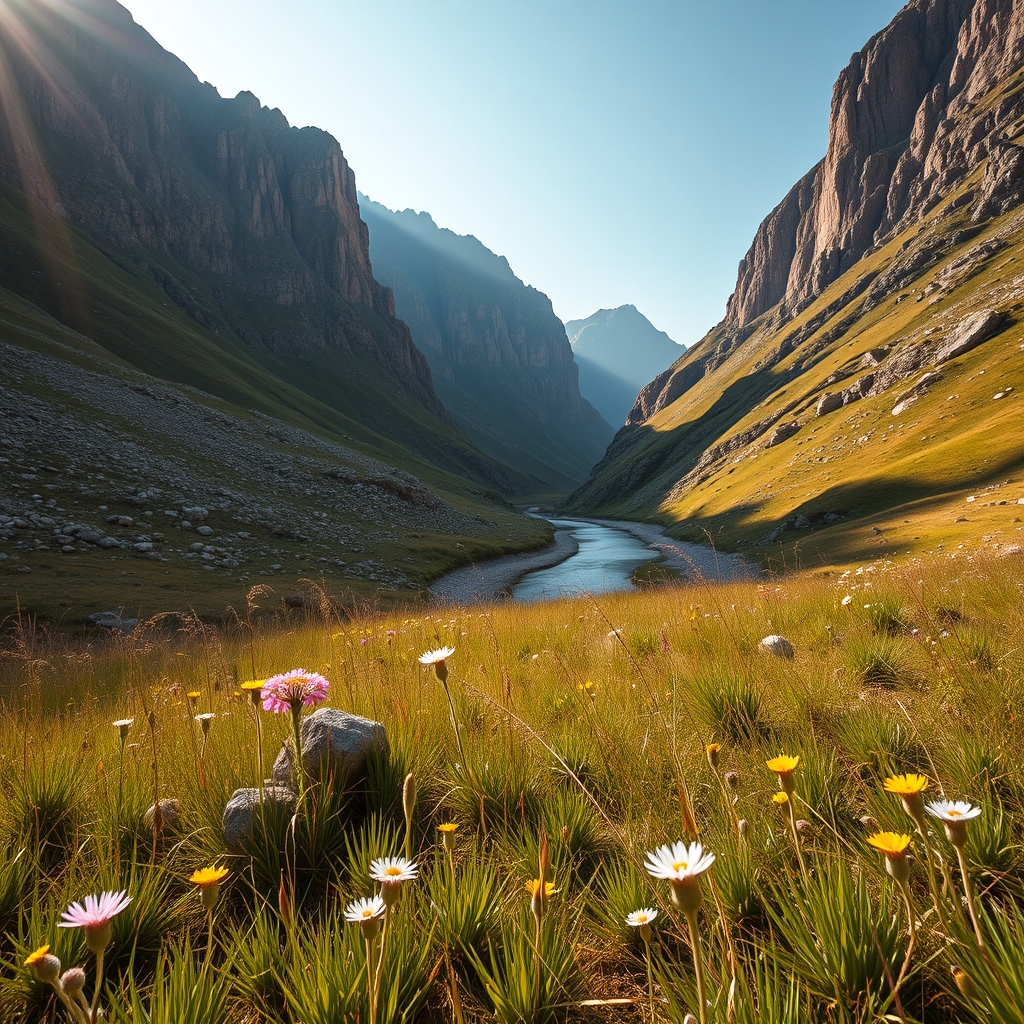
Native Flora of Bibei Canyon: Exploring the Canyon’s Biodiversity
When I first set foot in the Bibei Canyon, the cliffs seemed to hold their breath. Native Flora of Bibei Canyon feels like a living museum of Galician plant life, tucked into those dramatic stone walls. In spring the floor erupts with color; in summer the meadows blaze with yellows and purples; autumn drapes everything in gold and the winter keeps a quiet, resilient hush. This piece is meant as both a quick scientific snapshot and a handy itinerary for hikers, photographers, and anyone curious enough to wander among the rocks and the history that lives there.
Introduction: Where Nature Meets Heritage
The As Ermitas sanctuary, founded in the 12th century, has always been a place where pilgrims cross paths with the wild. Its stone chapels echo through valleys where oak‑forests meet the river’s rush. The surrounding landscape is a Natural Park that guards a patchwork of habitats—limestone slopes, riverside galleries, high‑altitude meadows. I’ve watched shepherds and monks move through these woods for centuries, and the plants still tell that story if you pay attention. Knowing the native flora does more than enrich a visit; it reveals the centuries‑old dialogue between people and the land.
Seasonal Highlights: Spring Wildflowers
Spring (April–June) turns the canyon floor into a carpet of color. The most striking is the Galega officinalis (common comfrey), which spreads pale pink clusters in shady ravines. Not far away, the Corydalis solida (early corydalis) thrusts vivid purple spikes through leaf litter. Up on crumbling limestone, the rare Androsace chamaeilets clings on, its tiny white flowers contrasting sharply with the rock.
I often start my walk on the “Ermitas Trail” (2.5 km loop). The path passes the Chapel of Santa María, where a micro‑climate keeps a small population of Viola riviniana (dog‑violet). Local healers used to brew tea from these plants for respiratory issues—something I learned from an elderly guide one autumn.
Summer Alpine Meadows and Rare Endemics
From June to August the hills blaze with yellows and purples. The Galician iris (Iris × hispānica) crowns shallow soils on the plateau; its sword‑like leaves guard turquoise blossoms. The endangered Lupinus cosentinii (island lupine) clings to wind‑swept slopes, its purple spikes drawing pollinators from miles around.
Email profesional para tu negocio
Email con tu dominio, antispam y webmail. Compatible con Outlook y móviles.
Ver planes de email →Water life also shines in summer. Along the Bibei’s edge, Trapa natans (water caltrop) spreads floating mats that shade fish, while submerged Myriophyllum alterniflorum (alternate‑flowered water milfoil) creates underwater bouquets admired by snorkelers.
Autumn Colors: Woody Shrubs and Fungi
Autumn (September–November) is all about texture. The valley’s dominant trees—Quercus robur (pedunculate oak) and Castanea sativa (sweet chestnut)—shed leaves in a golden cascade. Their debris feeds a mycorrhizal network that bursts with mushrooms.
Among them, the Cantharellus cibarius (golden chanterelle) is a prized find and a keystone species in oak‑chestnut woodlands. Its bright orange caps signal the right fungal partners, and spotting one is a reliable clue that you’re in the canyon’s richest biological zones.
Winter Hardiness: Evergreen Oaks and Riverine Willows
Winter brings a quiet steadiness. The evergreen Quercus ilex (holly oak) keeps its glossy leaves, offering shelter to insects and birds all year. Along the riverbank, Salix atrocinerea (gray willow) forms thickets that stabilize the banks and give nesting material to local avifauna.
Even in the coldest months a few alpine herbs survive. The dwarf Sedum hirsutum clings to sun‑exposed rocks, its fleshy leaves hoarding water against frost.
Key Plant Communities of the Canyon
- Riverine Gallery Forest: dominated by Alnus glutinosa (black alder) and Populus nigra, these woods create a humid, nutrient‑rich environment where ferns such as Polypodium vulgare thrive.
- Oak‑Chestnut Woodlands: mixed stands of Quercus robur and Castanea sativa support a shade‑tolerant understory that includes Coprinus comatus (shaggy ink cap) and the medicinal herb Urtica dioica (stinging nettle).
- Alpine Meadow: open and wind‑exposed, with species like Androsace, Euphrasia (eyebright), and the endemic Galicium rivas-martinezii.
- Karst Limestone Slopes: host specialized calcicoles such as Sempervivum tectorum (house leek) and the rare Parnassia palustris (bog grass‑of‑Parnassus).
Practical Tips for Exploring the Native Flora
- Getting There: From Ourense, take the A‑26 toward Xinzo de Limia, then follow signs to “Barranca do Bibei” (SC‑‑113). Parking is available at the Ermitas visitor centre.
- Opening Hours: The sanctuary is open daily 9:00‑19:00 (last entry 18:30). The botanical trails are free, but guided tours (in English and Galician) start at 10:00 and 14:00.
- Best Seasons: Spring (April–June) for wildflowers; early summer (July) for alpine endemics; autumn (September–November) for fungi and leaf‑color.
- Required Gear: Sturdy hiking shoes, a waterproof jacket, a field guide or offline app (e.g., “Flora of Galicia” on Google Play), and a reusable water bottle.
- Respect the Habitat: Stay on marked paths, avoid picking rare plants, and carry out all waste. The park’s rangers enforce a strict “no‑collection” rule to protect endemic species.
Nearby Routes and Extended Adventures
Beyond the core “Ermitas Trail,” the area offers several longer circuits that showcase the canyon’s botanical richness:
- Circuit of the Seven Springs (12 km, 4 h round‑trip): Follows the Bibei’s tributaries, passing through pristine riparian forests and spring‑fed meadows blooming with Primula veris (cowslip) in spring.
- High‑Ridge Path (8 km, 3 h): Ascends to the limestone plateau, rewarding hikers with panoramic views of the oak‑chestnut belt and occasional sightings of the endemic Galicium species.
- Monastery Loop (5 km, 2 h): Combines cultural heritage with flora, linking the As Ermitas with the nearby Chapel of San Bieito, surrounded by Salix thickets.
Frequently Asked Questions
Q: Is photography allowed on all trails?
A: Yes, but tripods are restricted in fragile alpine zones to protect delicate soils.
Q: Do I need a permit for guided botanical tours?
A: No. Guided tours are included with sanctuary entry and are free of charge.
Q: What should I do if I encounter a rare plant?
A: Observe from a distance, record GPS coordinates if possible, and inform a park ranger. Collection is never permitted.
Conservation and Your Role
The canyon’s flora faces pressure from climate change, over‑grazing, and invasive species such as Pinus nigra (black pine) that outcompete native scrub. Visitor awareness is a powerful tool: by following the tips in the box above, you help keep the delicate balance that has sustained monks, shepherds, and wildlife for centuries.
Local NGOs and the Xunta de Galicia run citizen‑science projects where hikers can log sightings of key species via a simple smartphone app. Your contributions feed into long‑term monitoring plans that protect both the natural and cultural heritage of the area.
Conclusion
Exploring the Native Flora of Bibei Canyon is more than a walk among blossoms and mossy rocks—it’s an invitation to walk in the footsteps of centuries of Galician tradition. Whether you’re a seasoned botanist, a curious family traveler, or a cultural pilgrim visiting As Ermitas, the canyon’s plant communities provide a living narrative of adaptation, beauty, and resilience. By respecting the environment and using the practical information provided, you can enjoy a safe, informative, and deeply rewarding encounter with one of Spain’s most overlooked botanical treasures.
Te puede interesar:
Soltia Hosting — Hosting, email y dominios
Noticias de Galicia — Galicia Universal — periódico digital